

Nurse Compression Socks: Comfort and Support for Long Shifts
- Scrubs 4U
- Feb 16
- 4 min read

Working long hours on your feet can be tough. Nurses and medical professionals often face the challenge of staying comfortable and energized throughout their shifts. One simple but effective way to ease leg fatigue and improve circulation is by wearing compression socks. These specially designed socks provide gentle pressure that helps blood flow back to the heart, reducing swelling and discomfort.
Let’s explore why nurse compression socks are a must-have accessory, how to choose the right pair, and what options stand out in the market today.
Why Nurse Compression Socks Make a Difference
Standing or walking for hours can cause tired, achy legs. Compression socks work by applying graduated pressure, which means the tightest fit is at the ankle and gradually loosens up the leg. This helps prevent blood from pooling in the lower legs and reduces the risk of varicose veins and swelling.
For nurses, this means:
Less leg fatigue after long shifts
Improved circulation to keep energy levels up
Reduced swelling in ankles and feet
Better comfort when wearing shoes for extended periods
Wearing compression socks can also help prevent more serious issues like deep vein thrombosis (DVT), especially during long shifts or when sitting for extended periods.

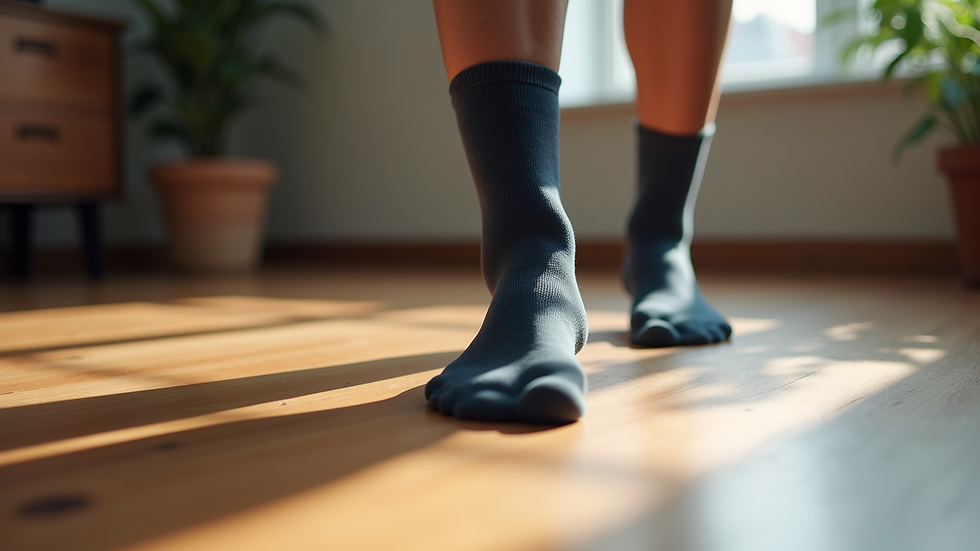
Compression socks designed to support nurses during long shifts
How to Choose the Right Nurse Compression Socks
Not all compression socks are created equal. When selecting the perfect pair, consider these factors:
Compression Level
Compression socks come in different pressure levels, measured in millimeters of mercury (mmHg). For nurses, a moderate compression level between 15-20 mmHg or 20-30 mmHg is usually ideal. This range offers enough support without being too tight or uncomfortable.
Material and Breathability
Since nurses work long shifts, socks made from breathable, moisture-wicking materials like nylon, spandex, or bamboo blends are best. These fabrics keep feet dry and comfortable, reducing the risk of irritation.
Length and Fit
Compression socks come in various lengths: knee-high, thigh-high, or ankle-length. Knee-high socks are the most popular for nurses because they provide support without restricting movement. Make sure to measure your calf circumference and leg length to find the right fit.
Durability and Style
Look for socks that are durable enough to withstand frequent washing. Many brands now offer stylish options with fun colors and patterns, so you don’t have to sacrifice personality for comfort.
What are the number one rated compression socks?
When it comes to the number one rated compression socks, several brands consistently receive high praise from medical professionals. These socks combine comfort, durability, and effective compression to meet the demanding needs of nurses.
Some top-rated options include:
Physix Gear Sport Compression Socks: Known for their snug fit and breathable fabric, these socks offer excellent support and come in various colors.
SB SOX Compression Socks: These are popular for their durability and comfort, especially during long shifts.
Sockwell Circulator Compression Socks: Made with merino wool blends, these socks provide warmth and moisture control, perfect for cooler environments.
Each of these brands offers socks designed to reduce leg fatigue and improve circulation, making them favorites among healthcare workers.

Different styles and colors of compression socks suitable for nurses
Tips for Wearing and Caring for Compression Socks
To get the most out of your compression socks, here are some practical tips:
Put them on first thing in the morning before swelling starts.
Wear them throughout your shift for consistent support.
Remove them at night to let your legs rest.
Wash them regularly according to the care instructions to maintain elasticity.
Replace socks every 3-6 months or when they lose their snug fit.
If you’re new to compression socks, it might take a day or two to get used to the snug feeling. But once you do, you’ll likely notice less leg tiredness and more comfort during your busy day.
Finding the Best Compression Socks for Nurses
We all want to feel our best while caring for others. That’s why choosing the best compression socks for nurses is so important. The right pair can make a big difference in how your legs feel after a long shift.
At Scrubs 4 U, you’ll find a great selection of compression socks designed specifically for hardworking medical professionals. They combine style, comfort, and function to help you stay energized and supported.
Remember, investing in quality compression socks is investing in your health and well-being. Your legs will thank you!
Taking Care of Your Legs, One Step at a Time
Wearing nurse compression socks is a simple habit that can have a big impact on your daily comfort and long-term leg health. Along with staying hydrated, taking short breaks to stretch, and elevating your feet when possible, compression socks are a valuable tool in your self-care routine.
Let’s keep moving forward with confidence and comfort, knowing that our legs are supported every step of the way. Whether you’re running between patients or standing at the nurse’s station, the right compression socks can help you feel your best.
Here’s to healthier, happier legs and many more comfortable shifts ahead!


Comments